

Hantavirus Study Sparks Global Attention After Scientists Detect Viral Genetic Material Nearly 6 Years After Infection
A surprising new scientific study has raised fresh questions about how long certain viruses may remain inside the human body after recovery.
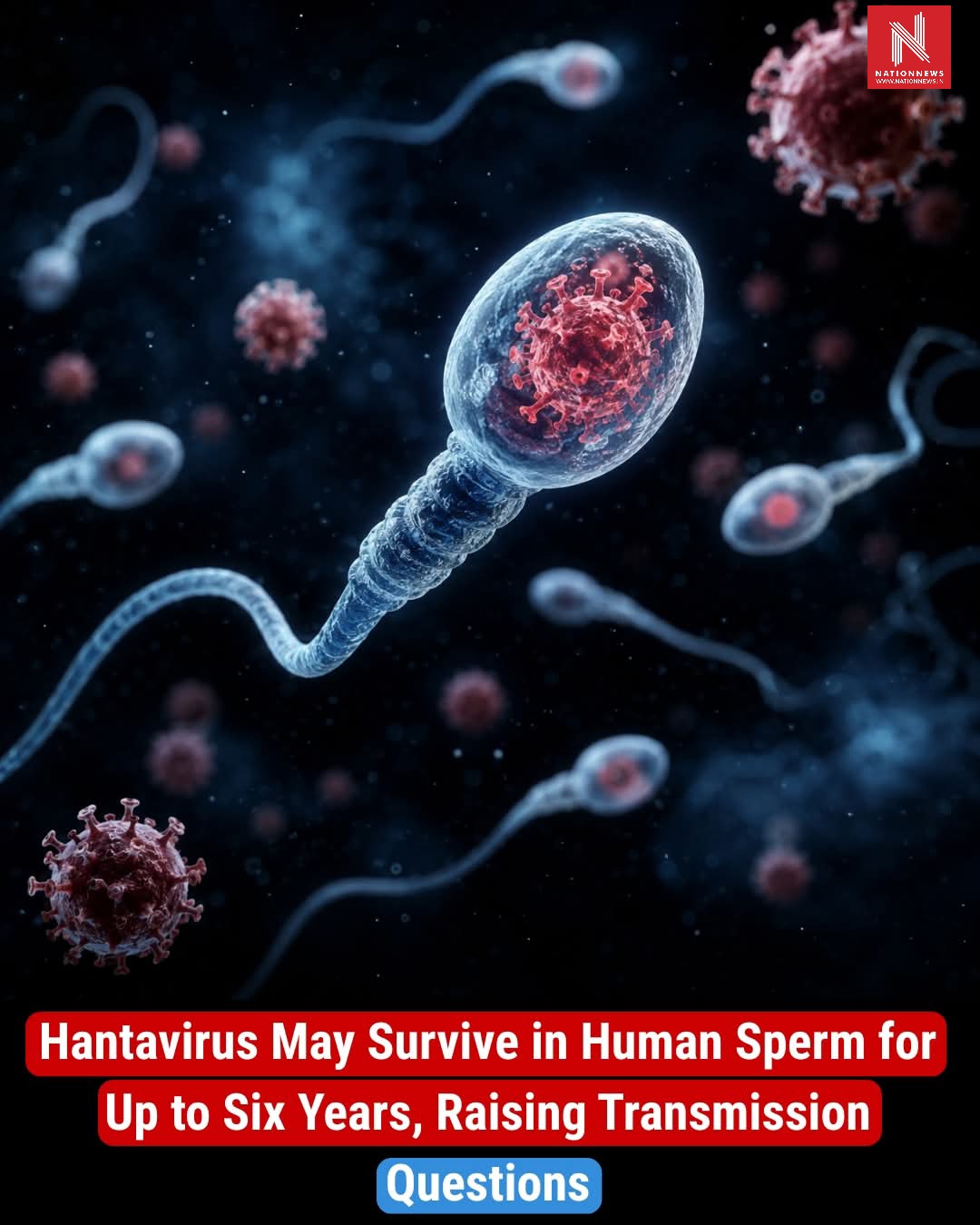
Researchers studying the rare Andes strain of hantavirus discovered traces of viral genetic material (RNA) in the semen of a recovered patient almost six years after the original infection. The finding has attracted major attention because the Andes hantavirus is one of the few hantavirus strains previously suspected of limited person-to-person transmission.

However, experts stress that the study does NOT prove the patient remained infectious for six years.
Scientists detected viral RNA — essentially fragments of the virus’s genetic code — but they did not confirm the presence of live, active virus capable of spreading infection. Researchers also emphasized that there is currently no evidence proving sexual transmission years after recovery.
Most hantaviruses are typically spread through exposure to infected rodent urine, saliva, or droppings. Human-to-human transmission is considered extremely rare and has mainly been associated with the Andes strain found in parts of South America.
The discovery is still considered important because certain areas of the body, including the reproductive system, can sometimes act as “viral reservoirs,” where traces of viruses may persist longer than expected. Similar patterns have previously been observed in viruses such as Ebola and Zika.
Medical experts say the findings highlight the need for more research into long-term viral persistence and how some infections may behave inside the human body long after symptoms disappear.
While the study has generated concern online, researchers caution against panic, noting that detecting genetic material alone does not automatically mean someone can still spread the virus.
The research opens the door to new scientific questions — but much more evidence will be needed before experts can determine whether there are any real long-term transmission risks.
#Hantavirus #Science #MedicalNews #VirusResearch #HealthUpdate #AndesVirus #ResearchStudy